







Search Results for: Flam Farm
Kenya AA Fram Estate Wins the 2017 East Africa Harvest Season Flavor Competition Championship
The results of the 2017 Taste of Harvest (TOH) East Africa competition's Kenya division have been announced. Fram Farm from the Kirinyaga production area took first place with a score of 85.3. This AA-grade auction lot was secured by Qingdao Fisher Coffee, making it another African TOH champion bean following Ethiopia's Gesha and Uganda's entries. Fram is a family-run private farm with its own washing station, and its main varieties are SL28 and SL34. This article will explore multiple angles including the farm's background, the development history of Kenyan coffee, the grading system, and the K72 washing process, along with Front Street Coffee's brewing recommendations and a flavor description of Kenyan small tomato beans, taking you through the full story behind this champion bean. [more…]
Brazil Corner Farm Honey-Process New World: Rainforest Alliance Certified and Hand-Sorted Specialty Coffee Flavor
This Brazil Corner Farm honey-processed New World coffee from Front Street Coffee comes from the western side of the Mantiqueira Mountains in southern Minas Gerais, at 1,100 to 1,350 meters above sea level. The farm has been growing coffee since 1896 and is now run by the fourth generation of the Magalhães family. It received Rainforest Alliance certification in 2006 and uses semi-washed honey processing with natural sun drying. This place preserves pristine forest with high coverage, follows sustainable agriculture and labor rights standards, and hand-sorts beans to ensure quality. This article will introduce its producing region background, variety information, farm history, and processing methods, giving you an understanding of this Brazilian specialty coffee that combines tradition and innovation. [more…]
Ethiopia Guji Ana Sora Farm Natural Sidamo G1: Single Estate Lot 3 Flavor and Origin Interpretation
Located in the Guji region of Ethiopia, the Anasora Farm is a rare single-estate coffee production site in the country, covering about 250 hectares at an altitude of 1,900 to 2,350 meters. This Lot3 batch is processed using the African raised-bed single-layer slow sun-drying method, presenting a complex aroma of strawberry cookie, mixed berries, citrus, and florals, accompanied by maple-syrup-like sweetness and a solid, rich mouthfeel. The delicate blueberry aroma from high fermentation, the sweet, full-bodied coffee, and the typical Sidamo depth at medium temperatures give this bean a long finish and lingering sweetness. Front Street Coffee recommends it to enthusiasts who love sun-dried Ethiopian coffee. This article will outline the estate's background, trends in the Guji region, and relevant Oromo context to help readers fully understand the origins and story of this bean. [more…]
Analyzing Brazilian Coffee Bean Costs and Prices, Featuring Front Street Queen's Estate Yellow Bourbon Specialty Single-Origin
Brazil, as the world's largest coffee producer, has long been a focus of attention for enthusiasts when it comes to the cost and price of its coffee beans. This article starts with the cost structure of Brazilian coffee and then recommends a highly cost-effective specialty single-origin coffee — Front Street Brazil Queen's Farm Natural Yellow Bourbon. This estate belongs to the renowned Carvalho Dias family and has won numerous COE Cup of Excellence awards. The article provides a detailed introduction to the estate's background, cultivation and processing methods, green bean analysis, roasting curve, cupping flavors, and pour-over parameters, along with suggestions for making iced coffee. Front Street's own-roasted Brazilian coffee beans sell for only 45 yuan for a 227-gram box, with a cost of about 3 yuan per cup — combining quality and value, and suitable for everyday drinking. [more…]
Panama Geisha Washed vs. Natural Flavor Comparison: Analyzing the Differences Between Janson Estate and Hacienda La Esmeralda
Both are Panamanian Geisha, but just how big is the flavor difference between the washed and natural processing methods? And what are the distinctive characteristics of the Geisha from Hacienda La Esmeralda and those from Janson Coffee Farm? Starting with Janson Coffee Farm, this article provides a detailed overview of the flavor profiles of its natural and washed Geisha, the farm's background, and growing conditions, and compares them with the stylistic differences of Hacienda La Esmeralda. Janson Coffee Farm focuses mainly on domestic sales and ranks second in Panama for Geisha production; its washed Geisha won second place in the washed category at the 2013 B.O.P competition. The article also includes Front Street Coffee's recommendations and purchasing information, making it suitable reading for coffee enthusiasts who want an in-depth understanding of Panamanian Geisha. [more…]
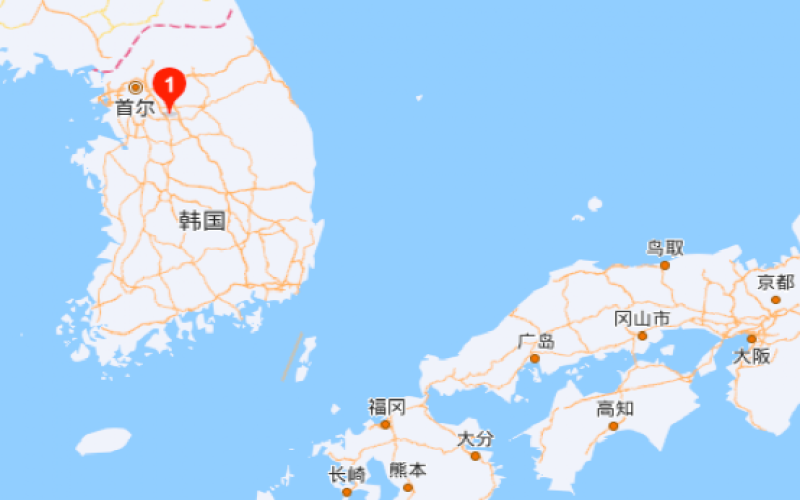
Korean Icheon coffee farm successfully cultivates Arabica Bourbon variety, marking the official start of the local coffee bean harvest season
Coffee cultivation has traditionally been concentrated in the golden belt between the Tropic of Cancer and the Tropic of Capricorn, but this pattern is now being continually challenged. A coffee experience farm in Icheon, South Korea, has successfully grown Arabica coffee beans and welcomed its harvest season, pushing the latitude of human coffee cultivation to a new high. The farm covers a total area of 2,000 pyeong, of which 800 pyeong are planted with about 2,000 coffee trees, including Yellow Bourbon and Red Bourbon varieties. To overcome the limitations of a climate with four distinct seasons, the farm uses facilities such as plastic greenhouses and shade cloth to keep the indoor temperature at around 15 degrees Celsius year-round. This coffee plantation is expected to harvest 5 to 7 tons of coffee cherries, ultimately producing 500 to 700 kilograms of green beans. As South Korea's coffee import value and number of coffee shops both hit new highs, whether locally grown coffee beans can become a new market favorite is worth continued attention. [more…]
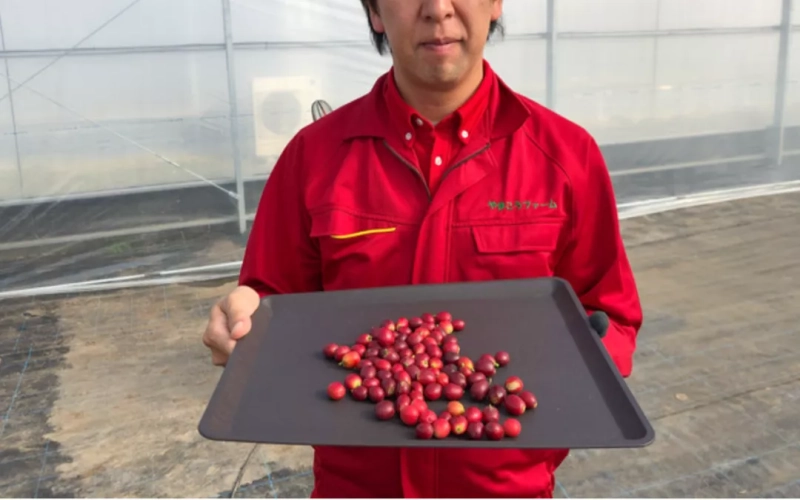
Okayama's Sanko Farm in Japan Successfully Cultivates Native Coffee Trees, First Domestic Coffee Beans Expected to Be Harvested in February
Coffee cultivation has long been concentrated in the coffee belt between the Tropic of Cancer and the Tropic of Capricorn, and Japan, with its cold climate, had never achieved commercial cultivation on its own soil. However, after years of exploration, Yamago Farm in Okayama City has finally succeeded in getting Typica coffee trees to flower and bear fruit in a greenhouse, and is expected to harvest Japan's first-ever domestically grown coffee beans in February 2022. Farm owner Kosuke Yamamoto has also launched the "Japan Organic Coffee Project," providing saplings and technical support to interested growers. Can this breakthrough open up a new path for Japan's coffee industry? This article will take you through Yamago Farm's cultivation journey, the technical details, and its future prospects. [more…]

A Complete Guide to Brazilian Coffee Roast Curves: Roast Levels and Flavor Expression Through Queen's Farm Yellow Bourbon
The roast profile is the key factor determining the direction of a coffee's flavor, and the same bean can present a completely different personality at different roast levels. Brazil, as the world's largest coffee-producing country, is known for its coffee's low acidity, heavy body, and nutty-chocolate notes. This article takes the Yellow Bourbon from Queen's Farm in Brazil's Mogiana region as a sample, and from the region's background, variety characteristics, and pulped natural process to Front Street Coffee's roast analysis and brewing parameters, it presents a complete picture of the roasting logic and flavor expression of Brazilian coffee. Whether you are a beginner just getting into pour-over or someone who wants to understand more deeply how roast level affects what's in the cup, this article offers practical reference. [more…]
An In-Depth Look at the Flavor Profile of Brazil's Queen's Farm Yellow Bourbon Pulped Natural Coffee and Its COE Award Journey
The Queen Estate in Brazil's Mogiana region, as a frequent winner at the COE Cup of Excellence, cultivates Yellow Bourbon varieties using the pulped natural process, revealing a complex flavor profile interweaving orange peel spice, roasted hazelnut and cinnamon, citric acidity, and sugarcane sweetness. This article provides a detailed record of the estate's glorious track record in COE competitions from 2000 to 2014, and introduces the Carvalho Dias family's management legacy since 1890. Front Street Coffee's Brazil selection features this 100% Yellow Bourbon pulped natural green bean, taking you to experience the Queen Estate's silky, delicate mouthfeel and lingering finish. [more…]
Why Is Brazil Yellow Bourbon Considered a Specialty Coffee? Queen's Farm Flavor, Medium-Dark Roast Characteristics, and Pour-Over Watering Key Points
Brazilian Yellow Bourbon is often regarded by coffee enthusiasts as a variety with more specialty attributes. It originates from a genetic mutation of Red Bourbon, and its fruit turns yellow rather than red when ripe, with a probability of occurrence of only about ten percent. Queen's Farm in the Mogiana region is the representative Brazilian specialty single-origin bean selected by Front Street Coffee. Although the farm is small in scale, it is backed by the Carvalho Dias family, which has repeatedly won Brazil's COE awards, and insists on manual harvesting and cultivating low-yield, high-quality Yellow Bourbon. Front Street Coffee uses a medium roast to highlight its sweetness, and this bean is also almost suitable for all brewing methods. Below is a complete overview of this Brazilian coffee, from variety characteristics, origin background, and farm story to V60 three-pour hand-brew parameters and flavor description. [more…]
Brazilian Specialty Coffee Flavor Guide: Queen Farm Yellow Bourbon Caramel Sweetness and Full Pour-Over Parameter Analysis
Brazil, as the world's largest coffee producer, has a specialty coffee quality that is equally noteworthy. Front Street Coffee believes that the Yellow Bourbon variety produced by Queen's Farm best represents the flavor of the Brazilian region. This farm belongs to the Carvalho Dias family, which has repeatedly won COE awards, and through high-altitude cultivation, fully manual harvesting, and semi-dry processing, it presents a unique flavor interwoven with nuts, cream, peanuts, fermented fruit, and cane sugar. This article will systematically review Queen's Farm's origin background, variety characteristics, and processing method principles, and include Front Street Coffee's roasting and pour-over extraction parameters, taking you through a comprehensive understanding of the appeal of this high-end Brazilian coffee bean. [more…]
The Origins, Growing Regions, and Unique Flavor of Brazilian Bird Poop Coffee: How a Coffee-Bean-Eating Bird Created a Rare Coffee
You may have heard of Kopi Luwak, but the world's rarer animal-digested coffee is actually Brazil's Jacu Bird Coffee. This coffee is produced only on Brazil's Camocim Estate farm, where a picky bird—the jacu—naturally selects ripe coffee cherries, ferments them, and then they are collected by hand and dried. This article will guide you through the history of Jacu Bird Coffee, Camocim Estate's transition to organic biodynamic farming, its unique harvesting and processing methods, and its signature flavor—sweet and full-bodied with nutty and black pepper notes. If you're looking to explore rare coffees on the market, Front Street Coffee also offers related selections and recommendations. [more…]
Exploring Colombia's Huila Region Specialty Coffee Estates: A Full Analysis of AF Farm Supremo Caturra Flavor
As the world's second-largest coffee producer, Colombia may not match Brazil in output, but it stands out in the specialty coffee world thanks to the exceptional quality of its fully washed Arabica beans. This article takes you deep into the Supremo-grade Caturra coffee from AF Farm in Medellín, Antioquia, Colombia, offering a comprehensive analysis of its unique appeal—from the farm's history, growing altitude, and processing methods to the roasting curve and cupping flavors. Soft and sweet on the palate with a cocoa and caramel finish, it suits everyday drinkers who prefer a balanced profile with lower acidity. At the same time, Front Street Coffee will also recommend related products to help you easily experience the essence of Colombian specialty coffee. [more…]
Nutty and Cocoa-Forward Coffee Beans Without Acidity: Brazil Queen's Estate Yellow Bourbon Flavor, Pulped Natural Processing, and Pour-Over Parameters Explained
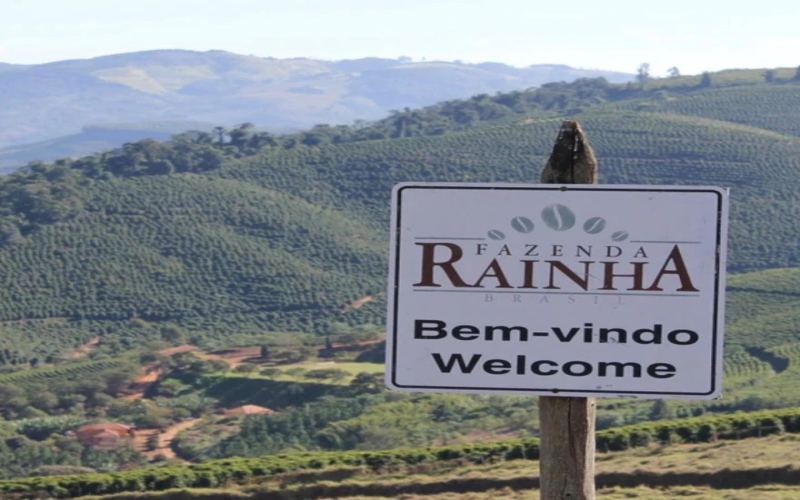
For those who enjoy nutty, cocoa-toned coffee without wanting noticeable acidity, the Yellow Bourbon from Brazil's Queen's Farm is often an unavoidable choice. It comes from the high-altitude Mogiana region of Brazil, bringing with it a clean sweetness and a brown-sugar-like finish, making it highly recognizable among Brazilian beans. This article focuses on the Brazil Queen's Farm Yellow Bourbon coffee beans offered by Front Street Coffee, outlining the estate's background, the characteristics of the Yellow Bourbon variety, the semi-washed processing method, as well as Front Street's green bean analysis, roasting insights, and in-store brewing parameters, helping coffee lovers understand why this bean presents a rich nutty and cocoa flavor with a balanced, smooth, and low-acid taste, and providing a reproducible pour-over extraction approach. [more…]
Brazil Queen's Farm Yellow Bourbon Pour-Over Tutorial: A Complete Guide to Water-Pouring Parameters, Flavor Profile, and Estate Background
Yellow Bourbon is a rare variety mutated from Red Bourbon. Its fruit turns yellow when ripe, with a mutation probability of about 10%. The Queen's Estate in Brazil's Mogiana region is the source of the specialty Yellow Bourbon selected by Front Street Coffee. This estate belongs to the Carvalho Dias family, has repeatedly achieved excellent results in Brazil's COE competitions, and insists on manual harvesting while emphasizing environmental protection. Front Street Coffee uses a medium roast to highlight its sweetness, and this bean suits a variety of brewing methods. This article will share the complete brewing method and tasting points for Queen's Estate Yellow Bourbon, from the estate's background and variety characteristics to pour-over parameters and flavor description. [more…]
Panama Hacienda La Esmeralda Geisha Coffee: A Complete Guide to Golden Roast and Pour-Over & Siphon Brewing
Geisha coffee is famous for its elegant jasmine and genmaicha aromas, its sweet-and-tart layers of citrus and berries, and its pronounced juicy mouthfeel, and Panama is the place where it rose to fame. This article begins with the grade differences between Red Label and Green Label Geisha from Hacienda La Esmeralda, guiding you through Geisha's classic flavors, while focusing on Finca Janson—an ecological farm at 1,700–1,750 meters elevation with volcanic ash soil that was shortlisted for the Best of Panama award in 2013. The article not only analyzes Finca Janson's growing advantages and ecological conservation philosophy, but also provides pour-over and siphon brewing methods under a golden roast profile, and retains Front Street Coffee's curated recommendations, presenting coffee lovers with a complete guide from bean to cup. [more…]
Detailed Guide to Pour-Over Parameters for Brazil Queen Estate Yellow Bourbon Coffee Beans: Water Temperature, Grind Size, Coffee-to-Water Ratio, and the Full Three-Pour Brewing Process
Brazil, as the world's largest coffee producer, may not often feature specialty beans in cafés, but the Yellow Bourbon coffee beans from Queen Farm have won the favor of many enthusiasts with their balanced taste and nutty, cocoa-like notes. In this article, Front Street Coffee uses Queen Farm coffee beans as an example to systematically explain how to hand-brew this rich and sweet Brazilian coffee at home from four dimensions: water temperature, grind size, coffee-to-water ratio, and brewing technique, along with complete brewing parameters and a step-by-step process. [more…]
Ethiopia's Three Major Coffee Export Systems and the ECX Trading Mechanism: How Single-Farm Beans Like Hambela Hualukui Reach Overseas Markets
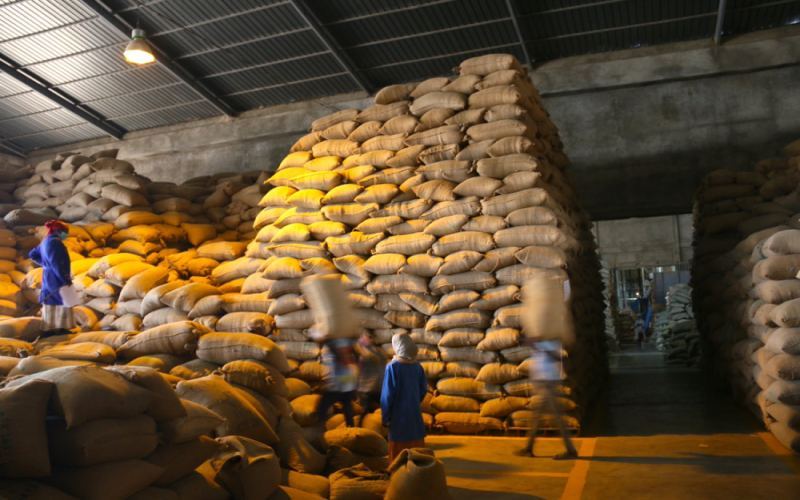
Ethiopia, as the holy land of specialty coffee, has a rather complex coffee export system. According to local regulations, coffee exports are divided into three major systems: ECX bidding, cooperatives, and single farms. Among these, cooperatives and single estates can bypass the ECX and export directly, offering relatively complete traceability. The ECX was founded by Eleni Gabre-Madhin in 2008, and through grading, warehousing, and real-time information, it transformed the trading circumstances of coffee farmers. However, what truly achieves 100% traceability is the single farm system that has risen in recent years. The Sidamo sun-dried Huakui is a representative work from the Hambela farm. This article will sort out the operational differences among the three systems, the trading logic of the ECX, the structure of the six major cooperative unions, and the significance of single farms to specialty coffee. Front Street will also continue to follow these origin developments, bringing coffee enthusiasts clearer origin knowledge. [more…]
2022 BOP Natural Geisha Group Champion GuaGuoGuo Estate Coffee Bean Flavor Analysis and Pour-Over Parameter Guide
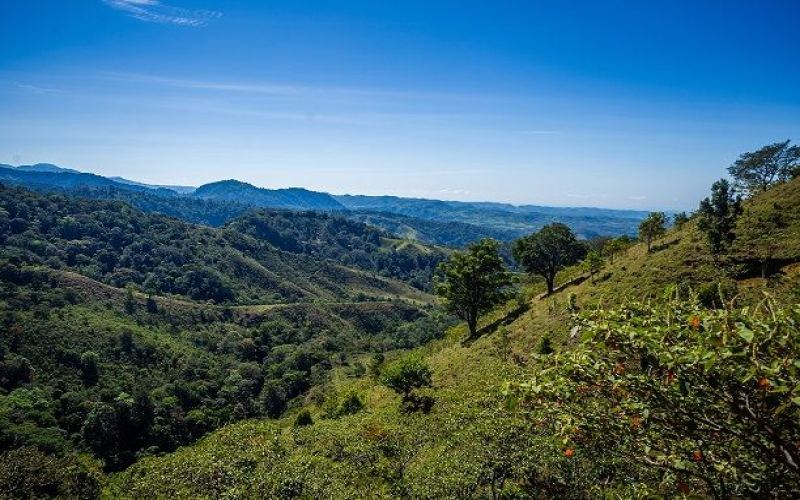
The results of the 26th Best of Panama (BOP) green bean competition in 2022 have been announced. The champion of the Washed Geisha category was won by Aurora Estate, while the crown in the Natural Geisha category went to Guarumo Estate under the Hartmann family. Front Street Coffee had already acquired the 2022 harvest Guarumo Estate Natural Geisha coffee beans before the competition. This article will take you into a deeper understanding of the estate's historical origins, cultivation philosophy, and the flavor performance and brewing suggestions of this champion-level Geisha. From the Hartmann family's story of European immigration, to Guarumo Estate's impressive results in the BOP competition for two consecutive years, and then to Front Street Coffee's light-roast strategy and pour-over parameters, this article will help you understand the complete picture of this charming Natural Geisha. [more…]
Analysis of Brazilian Specialty Coffee Varieties and Flavor Recommendation of Queen's Farm Yellow Bourbon
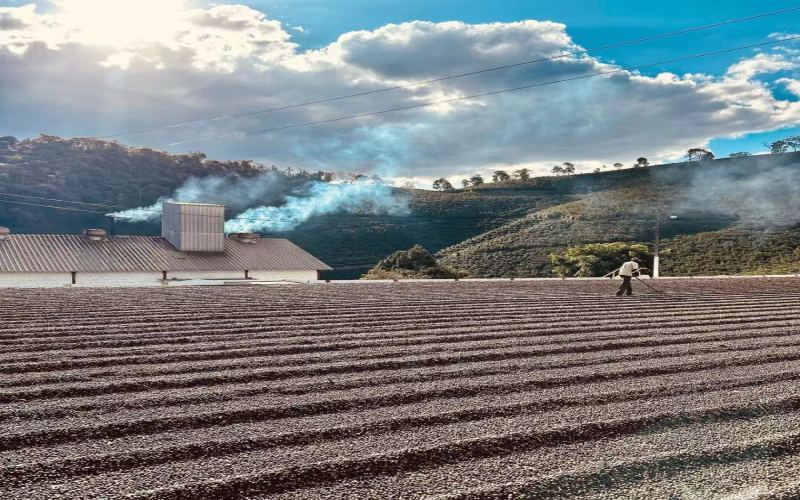
Brazilian coffee has always been known for its low-acid, full-bodied nutty and chocolate notes, and is often used as the base for espresso blends. But Brazil is not only about commercial beans—specialty-grade Yellow Bourbon can also deliver stunning performance. This article will guide you through the origins of the Yellow Bourbon variety, take you deep into Queen's Farm in the Mogiana region, analyze the secrets of its natural processing and medium-dark roasting, and share Front Street Coffee's brewing parameters and flavor experience, offering a practical guide to Brazilian single-origin coffee for those who love a full-bodied cup. [more…]